
Over the years, working around professional tattoo environments and running Keroppy Maeda, we’ve seen the same situation play out again and again. A client comes in confident, sits down, and after the first hour the pain starts creeping in. Shoulders tense. Breathing changes. Focus drops. That’s usually the moment when a numbing cream either proves its value — or completely fails.
The truth is simple: some tattoo numbing creams actually work, and most don’t. The difference isn’t marketing. It’s how the cream behaves once the needle hits the skin. The creams we trust are the ones that hold their effect during the most painful stages, not just at the start. When a cream works properly, pain doesn’t suddenly spike halfway through the session. It stays low, controlled, and predictable.
In real sessions, the best numbing creams create a very specific experience. The client still feels pressure and movement, but the sharp pain is gone. Lines feel dull instead of biting. Shading feels muted instead of overwhelming. This is what allows people to sit longer, stay still, and get through demanding tattoos without panic or exhaustion.
At Keroppy Maeda, our preference has always been for tattoo-specific numbing creams designed for extended sessions, not generic anesthetic products. The creams that earn our trust are those that activate reliably, last long enough to matter, and don’t interfere with the skin or the artist’s work. These are the creams professionals come back to — session after session — because they deliver the one thing people actually want: real pain suppression when it matters most.
That’s the difference between numbing cream as a concept, and numbing cream that actually works.


In professional tattoo environments, pain management isn’t about chasing extremes — it’s about reliability. Artists don’t experiment on clients. They rely on products that have already proven themselves session after session, especially during long, demanding tattoos where pain can derail everything.
At Keroppy Maeda, our experience has shaped a very clear preference. The numbing creams we trust are not the strongest on paper, but the most consistent in real conditions. They activate when expected, hold their effect through the most painful stages, and fade gradually instead of collapsing all at once. That predictability is what matters when a tattoo lasts hours, not minutes.
In practice, the creams that work best create a very specific kind of relief. The skin still reacts, pressure is still there, but the sharp, distracting pain is largely removed. This allows clients to stay relaxed and still, and it allows artists to maintain precision without stopping every few minutes. That’s why experienced artists tend to stick to the same products once they find one that performs reliably.
We’ve also learned what doesn’t work. Generic anesthetic creams, short-acting formulas, or products not designed for tattooing often fail halfway through a session. The result is worse than no cream at all — sudden pain spikes, tension, and broken rhythm. Professional artists avoid these for a reason.
Based on years of exposure to real tattoo sessions and continuous feedback, our choice consistently leans toward tattoo-specific numbing creams formulated for long sessions and controlled pain suppression. These are the creams artists reach for when the goal is simple: block pain effectively, stay focused, and finish the work without compromise.
👉 This is where, later, you will naturally place one discreet link toward your future page:
professional tattoo numbing cream for long sessions
How Lidocaine Creates the Numbing Effect at a Molecular Level


Pain signals travel through nerves as electrical impulses. These impulses depend on sodium channels opening and closing along the nerve membrane. When sodium flows into the nerve cell, the pain signal moves forward toward the brain.
Lidocaine works by blocking these sodium channels.
At the molecular level:
-
Lidocaine molecules penetrate the skin
-
They bind to voltage-gated sodium channels inside nerve cells
-
This prevents sodium ions from entering
-
Without sodium flow, the nerve cannot transmit sharp pain signals
Important detail (and this matters for tattoos):
Lidocaine does not shut down all nerve function. Pressure, movement, and touch are still perceived. What disappears is the intense, sharp pain caused by repeated needle trauma.
That’s why people often describe good numbing cream as:
-
“I still feel it, but it doesn’t hurt”
-
“It feels dull instead of sharp”
This selective blocking is exactly what makes lidocaine ideal for tattooing.
What Lidocaine Percentage Actually Works in Tattoo Numbing Creams
This is where most people get misled.
More lidocaine does NOT automatically mean better results.
From real-world tattoo use and professional formulations, here’s what actually matters:
✅ Effective Lidocaine Range for Tattoo Numbing Creams
-
4% to 5% lidocaine → sweet spot for reliable pain suppression
-
Below 4% → often too weak for long sessions
-
Above 5% → diminishing returns + higher irritation risk
Most professional-grade tattoo numbing creams that actually perform fall into this 4–5% range, because:
-
Absorption is consistent
-
Numbing lasts long enough for real sessions
-
Skin remains workable for the artist
⚠️ Why “Ultra High %” Creams Often Fail
Products advertising extreme strength often fail because:
-
The skin can only absorb so much lidocaine
-
Poor formulation prevents deep penetration
-
Numbing spikes early and collapses mid-session
-
Irritation cancels out the benefit
That’s why experienced artists don’t chase the highest number on the label — they choose balanced formulations designed for tattooing, not cosmetic anesthesia or medical misuse.
In professional tattoo environments, pain management isn’t about chasing extremes — it’s about reliability. Artists don’t experiment on clients. They rely on products that have already proven themselves session after session, especially during long, demanding tattoos where pain can derail everything.
At Keroppy Maeda, our experience has shaped a very clear preference. The numbing creams we trust are not the strongest on paper, but the most consistent in real conditions. They activate when expected, hold their effect through the most painful stages, and fade gradually instead of collapsing all at once. That predictability is what matters when a tattoo lasts hours, not minutes.
In practice, the creams that work best create a very specific kind of relief. The skin still reacts, pressure is still there, but the sharp, distracting pain is largely removed. This allows clients to stay relaxed and still, and it allows artists to maintain precision without stopping every few minutes. That’s why experienced artists tend to stick to the same products once they find one that performs reliably.
We’ve also learned what doesn’t work. Generic anesthetic creams, short-acting formulas, or products not designed for tattooing often fail halfway through a session. The result is worse than no cream at all — sudden pain spikes, tension, and broken rhythm. Professional artists avoid these for a reason.
Based on years of exposure to real tattoo sessions and continuous feedback, our choice consistently leans toward tattoo-specific numbing creams formulated for long sessions and controlled pain suppression. These are the creams artists reach for when the goal is simple: block pain effectively, stay focused, and finish the work without compromise.
👉 This is where, later, you will naturally place one discreet link toward your future page:
professional tattoo numbing cream for long sessions

The difference between a numbing cream that works and one that fails often comes down to how it’s applied. In real tattoo sessions, proper application is what turns a good cream into real pain blocking.
At Keroppy Maeda, the process is always the same because it delivers predictable results. The skin must be clean, dry, and prepared. Any residue, oil, or moisture reduces absorption and shortens the numbing window. When the skin is properly prepped, the cream penetrates evenly instead of sitting on the surface.
Timing matters more than people think. Applying the cream too early wastes its effect. Applying it too late means the pain hits before the numbing kicks in. The most reliable results come from allowing enough activation time before the needle touches the skin, especially for long sessions or sensitive areas.
Occlusion is another critical step. Covering the area properly helps the cream absorb deeply and evenly. This is where many products fail in practice — not because the formula is bad, but because it’s rushed or applied incorrectly. When done right, the numbing effect builds smoothly instead of peaking and dropping off suddenly.
What experienced artists look for is controlled pain suppression, not shock numbness. A well-applied numbing cream reduces sharp pain while keeping the skin responsive and workable. That balance allows the session to flow without interruptions, sudden discomfort, or tension building halfway through.
When applied correctly, tattoo numbing cream does exactly what people want it to do: it keeps pain low when it matters most, allowing clients to stay calm and artists to stay focused from start to finish.


One concern comes up in almost every studio conversation: does numbing cream affect healing? In real-world use, when a tattoo-specific numbing cream is applied correctly, healing follows a normal, predictable course. What matters isn’t the presence of numbing cream — it’s how the session is managed and how aftercare is handled afterward.
From experience at Keroppy Maeda, the cleanest heals tend to come from sessions where pain stayed under control. When clients aren’t overwhelmed by pain, they move less, tense less, and the skin experiences less unnecessary trauma. That alone makes a noticeable difference in how the tattoo settles during the first days of recovery.
A properly used numbing cream does not slow healing and does not compromise ink when the skin is treated with respect. The key is moderation and timing. Overapplication, reapplying mid-session, or using non–tattoo-specific products can irritate the skin and complicate recovery. This is why professionals stick to creams they trust and follow a consistent process.
After the session, healing depends on the same fundamentals every artist recommends: clean skin, proper aftercare, and patience. Numbing cream doesn’t replace aftercare, and it doesn’t excuse neglect. When those basics are respected, tattoos done with numbing cream heal just as cleanly as those done without — often with less inflammation and less stress on the skin.
In practice, pain control and healing go hand in hand. When the session stays smooth and controlled, the skin responds better afterward. That’s why experienced artists view numbing cream not as a shortcut, but as a tool that supports both comfort and recovery when used correctly.
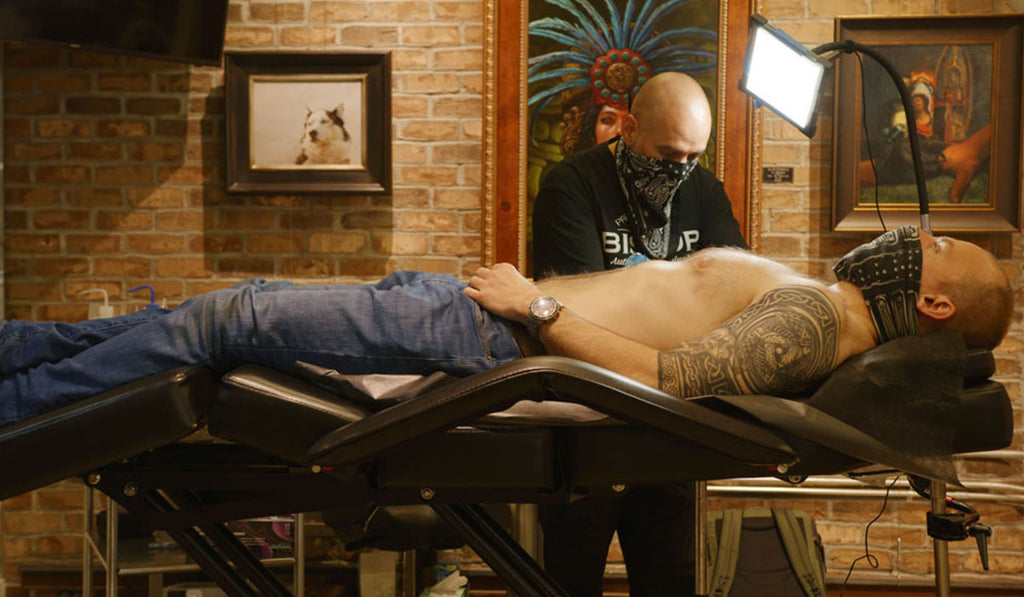
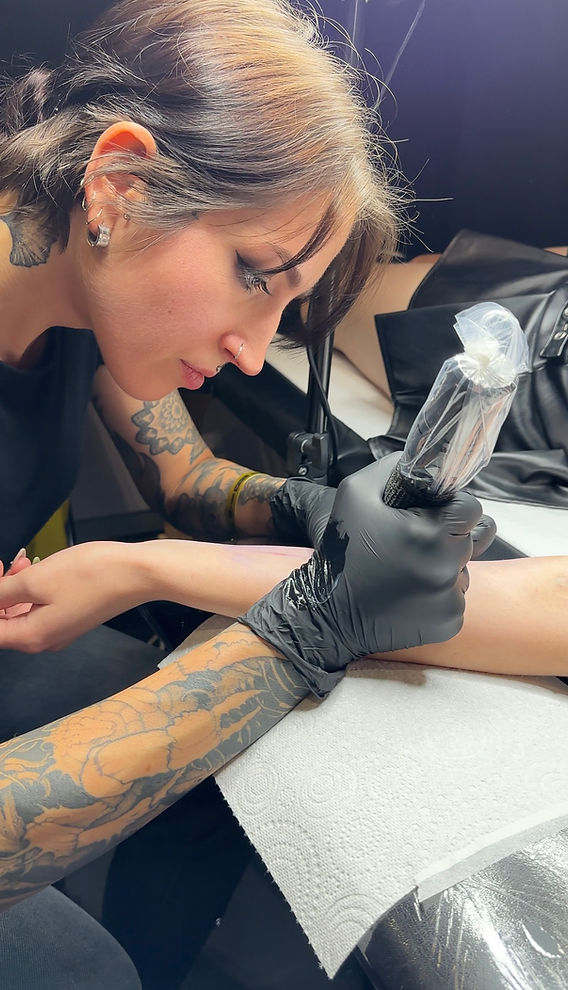
A painless tattoo session doesn’t mean the absence of sensation. What it means in real conditions is removing the sharp, overwhelming pain that makes people tense up, panic, or want to stop halfway through. With the right numbing cream, tattooing becomes controlled, calm, and predictable — not stress-free, but far more manageable.
Clients who expect total numbness are often disappointed for the wrong reasons. The goal isn’t to feel nothing; it’s to avoid pain spikes that break focus and endurance. When pain is reduced to pressure and movement, people breathe normally, stay still, and get through long sessions without mental fatigue. That’s the real advantage.
From experience at Keroppy Maeda, the best sessions are the ones where expectations are clear. When people understand what numbing cream does — and what it doesn’t — the experience is smoother from start to finish. There’s less anxiety, fewer interruptions, and better cooperation between client and artist.
Pain control is a tool, not a promise. When used correctly, tattoo numbing cream removes the worst part of the experience, allowing the work to happen under the best possible conditions. That’s what people are really looking for when they search for painless tattooing — not miracles, but control.
