Tattoo removal is often imagined as a quick cosmetic correction. A few sessions, some fading, and the ink is gone.
In reality, tattoo removal is closer to a long biological negotiation between technology and your immune system than a simple cosmetic procedure. Lasers start the conversation. Your body finishes it — slowly.
If you are exploring the world of tattoo modification and removal, having realistic expectations matters far more than chasing optimistic promises. Tattoo removal does not happen on a calendar schedule. It happens on a biological one.
This article explores how long tattoo removal truly takes, why it unfolds over months instead of weeks, and which invisible forces quietly shape every individual journey.
Tattoo Removal Is a Biological Process, Not an Eraser
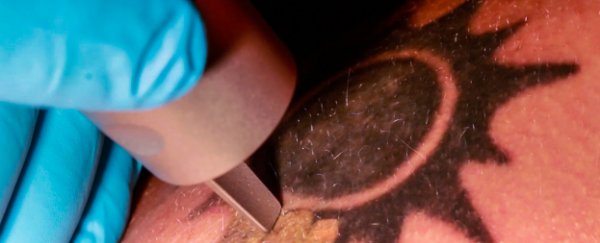
When a laser targets a tattoo, it does not vacuum ink out of your skin.
It delivers ultra-short bursts of energy that fracture pigment particles into smaller pieces. Those fragments remain inside your body. What happens next is entirely biological.
Your immune system recognizes the fragments as waste. Specialized cells engulf them. The lymphatic system transports them away. The body gradually eliminates them.
This clearance does not happen in hours or days. It unfolds over weeks and months.
This is why tattoo removal belongs within the broader conversation of tattoo science and skin biology, not instant cosmetic procedures.
https://keroppymaeda.com/tattoos/
Many people are surprised to learn that the laser does not “remove” anything. The laser simply transforms pigment into a form your body can deal with. The real work is performed by immune cells that have no sense of urgency and no interest in cosmetic deadlines.
Your body operates at its own pace.
What “How Long” Usually Means in Real Life
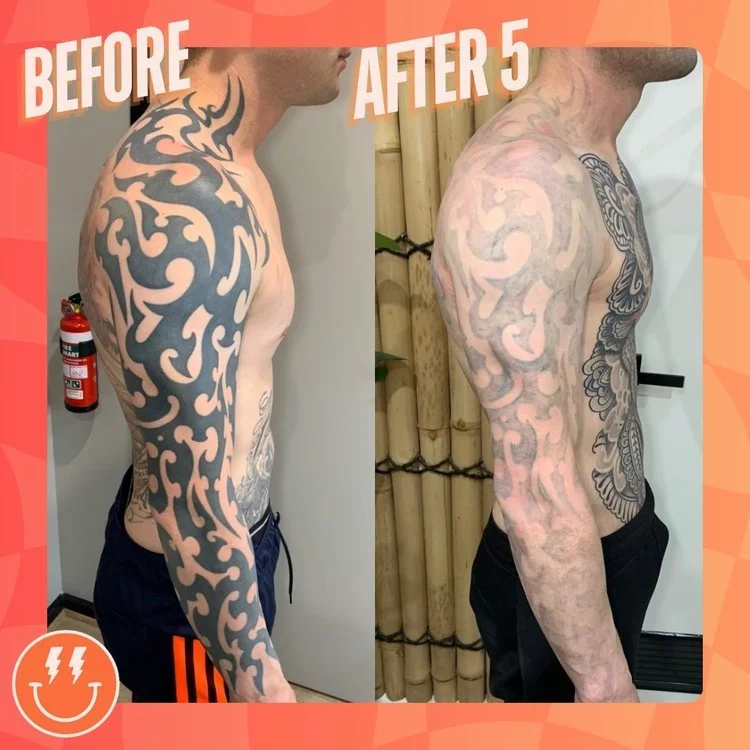
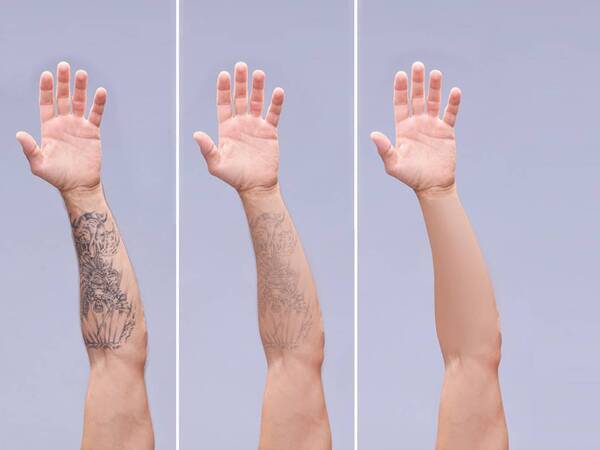
For most people, tattoo removal occupies a timeline measured in months to years.
Meaningful fading often begins a few weeks after the first session. Visible softening becomes noticeable after several months. Strong reduction commonly appears between six and twelve months. Near-complete removal frequently requires twelve to twenty-four months.
These ranges assume properly spaced sessions and normal immune function.
Tattoo removal behaves more like orthodontics than makeup. It is cumulative, progressive, and gradual.
Anyone promising complete removal in a handful of weeks is either misunderstanding the process or intentionally overselling expectations.
Why Sessions Must Be Spaced Apart


4
After each laser session, two processes unfold simultaneously.
First, the skin heals at the surface.
Second, and more importantly, immune clearance begins underneath.
Ink fragments remain in the dermis long after redness disappears. Immune cells slowly transport those fragments through lymphatic pathways. This internal cleanup continues for weeks.
Performing another session too soon does not accelerate clearance. It simply adds new fragmentation before previous debris has been processed.
This is why responsible clinics typically space treatments six to ten weeks apart. In many cases, longer spacing produces better fading than aggressive schedules.
The waiting period is not wasted time. It is productive time.
The Quiet Work of the Immune System
Your immune system was never designed to remove tattoos.
Tattoo ink is foreign material, but it is biologically stable and inert. The body tolerates it rather than attacking it aggressively.
Laser treatment changes that relationship.
By breaking pigment into smaller fragments, the ink suddenly becomes “manageable” waste rather than permanent debris.
Macrophages — immune cells responsible for cleanup — engulf the fragments. These macrophages then migrate through lymphatic channels. Over time, fragments are filtered and eliminated.
This migration is slow.
It involves millions of microscopic movements happening continuously, not one dramatic event.
This is why time, not laser strength, governs removal speed.
Why Tattoo Removal Timelines Differ So Much
No two tattoos are identical. No two immune systems behave identically.
Several variables quietly stack together to shape the timeline.
Pigment Color
Dark pigments absorb laser energy efficiently and shatter more easily. Black ink typically responds best.
Lighter pigments reflect more light and absorb less energy. Yellow, white, pastel tones, and light greens are among the slowest to break down.
Multi-color tattoos therefore behave like multiple tattoos inside one design. Some colors fade early. Others linger stubbornly.
Ink Density
Professional tattoos contain densely packed pigment placed consistently and deeply.
This density produces strong, saturated artwork — and also a larger volume of pigment that must be fragmented and cleared.
Amateur tattoos usually contain less ink and often fade faster.
Density often matters more than size.
Tattoo Age
Older tattoos have undergone slow natural degradation.
Pigment particles may be more dispersed. Some ink has already been carried away over decades. Cellular turnover has quietly altered the tattoo.
Fresh tattoos have not had this advantage and frequently require more sessions.
Ink Depth
Pigment placed deeper in the dermis is harder for laser energy to reach and harder for immune cells to access afterward.
Depth varies by artist technique, machine voltage, needle grouping, and skin thickness.
Two tattoos that look identical on the surface can behave very differently because of depth alone.
Body Placement and Circulation

4
Circulation quietly controls clearance speed.
Areas with strong blood and lymphatic flow fade faster. The chest, upper back, and upper arms typically respond well.
Extremities such as hands, feet, ankles, and fingers fade more slowly because circulation is weaker and lymphatic transport is less efficient.
Distance from the heart matters.
This is why identical tattoos on different body parts can require very different timelines.
Your Immune System Sets the Speed
Your body does the actual removal.
People with strong circulation, good metabolic health, and active lifestyles often clear pigment more efficiently.
Smoking, dehydration, sedentary habits, and poor circulation slow the process.
Certain medical conditions can also affect clearance speed.
This is why clinics cannot guarantee timelines. Biology is not programmable.
How Session Count Connects to Total Time
Time and sessions are inseparable.
Most tattoos require multiple treatments spaced across many months. If you want a deeper breakdown of how session numbers are estimated, you can explore this guide:
https://keroppymaeda.com/how-many-sessions-to-remove-tattoo/
Understanding session ranges makes total timelines easier to accept.
If a tattoo requires ten sessions and sessions are spaced eight weeks apart, the process alone spans roughly eighteen months — even before accounting for individual variation.
The Illusion of Plateaus
Many people experience periods where fading seems to stall.
This does not mean treatment has stopped working.
Early sessions often remove superficial and loosely held pigment. Later sessions target deeper or more resistant particles.
Progress becomes subtler.
Plateaus are normal.
In many cases, a sudden visible improvement appears after several “quiet” months.
Tattoo removal is rarely linear.
Partial Fading vs Full Removal
Not everyone wants complete erasure.
Many people seek tattoo removal to lighten an existing tattoo so a cover-up design can be applied more easily.
Partial fading may require only a few sessions and can often be achieved within several months.
Full removal usually demands a longer commitment.
Defining your goal early changes how you experience the process.
Why Faster Technology Does Not Mean Instant Results
Modern lasers are extremely advanced.
They fragment pigment more efficiently.
They target a wider range of colors.
They reduce collateral skin damage.
What they cannot change is immune speed.
Even perfectly shattered pigment must still be transported and eliminated by the body.
Technology improves efficiency. Biology sets the clock.
Can You Influence the Timeline?
You cannot override human physiology.
But you can create favorable conditions.
Hydration supports lymphatic flow.
Physical activity promotes circulation.
Good nutrition supports immune function.
Avoiding smoking removes a major obstacle.
These habits do not create miracles.
They remove friction.
Healing Time Is Not Removal Time
Surface healing after a session usually takes one to two weeks.
During this time:
Redness fades.
Swelling subsides.
Skin texture normalizes.
Internally, immune clearance has barely begun.
Most fading happens after the skin looks healed.
This disconnect causes confusion.
Psychological Time vs Biological Time
Tattoo removal often feels slow because people measure time emotionally.
They want visible progress quickly.
Biology measures time chemically.
Cells migrate at their own pace.
Waste moves through microscopic channels.
Processes operate continuously but invisibly.
Understanding this reduces frustration.
Why Some Tattoos Never Completely Disappear
Even after extensive treatment, faint shadows or ghost outlines sometimes remain.
This may occur when pigment sits extremely deep, when scar tissue traps particles, or when resistant pigments are present.
Significant fading is realistic for most tattoos.
Absolute invisibility is not always possible.
Ethical practitioners frame success as improvement, not perfection.
How Clinics Estimate Time
Reputable clinics assess color palette, size, density, placement, age, and skin characteristics before suggesting a range.
Responsible estimates sound like:
“Most likely between X and Y sessions.”
Not:
“This will be gone in exactly six sessions.”
Precision guarantees are marketing language, not medical reality.
Explore More Tattoo Removal Resources
For additional tattoo removal guides and related articles, browse your dedicated category hub:
https://keroppymaeda.com/category/tattoo-removal/
The Big Picture
Tattoo removal is slow because it respects the limits of human biology.
Most people should expect around one to two years for major removal.
Some finish sooner. Some take longer.
When approached with patience and realistic expectations, tattoo removal becomes far less frustrating — and far more successful.